Skip to content

[Event 01] The inaugural PLAiGround pediatric AI hackathon

Build AI that grows up with children.

Two days in New York City bringing together clinicians, builders, designers, health leaders, families, and teens to build and test AI for kids, from the first 1,000 days through adolescence.

[Dates]
January 23–24, 2027
[Location]
Hosted in New York City
[Participants]
About 100, in mixed teams

[The developmental arc]

Childhood changes fast, and so should the tools built for it.

[Track 01] 0 to 5

The first 1,000 days

About one in six children in the US has a developmental disability or delay, yet there are only about 1,000 developmental-behavioral pediatricians nationally, and families often wait months for an evaluation during the years when early support matters most. How can AI help close that gap?

Source: CDC; Jimenez et al., Journal of Developmental and Behavioral Pediatrics, 2017
[Track 02] 10 to 19

Adolescence

Nearly one in five young people ages 12 to 21 have used AI chatbots for mental health advice, up from about one in eight a year earlier, and most have not told anyone. Teens are already using these tools, so what would safe, well-designed support with real guardrails look like?

Source: McBain et al., JAMA Pediatrics, 2026 (RAND)
[Track 03] 0 to 21

Chronic and rare disease

Children with complex chronic and rare conditions often spend years searching for answers, and the burden of their care falls heavily on families and health systems. AI is beginning to help clinicians reanalyze unsolved cases and uncover diagnoses that eluded experts for years. What else could it help families and clinicians discover?

Source: NEJM AI, 2026

[Tracks] Three challenge areas

Three tracks across the developmental arc

[Track 01][Ages] 0–5

Early Childhood Development

Screening, milestones, feeding, sleep, and support for caregivers through the first 1,000 days and the preschool years.

[Sample challenges]Developmental screening that works in a busy waiting roomMilestone tracking that informs parents without adding worry
[Track 02][Ages] 10–19

Adolescence and Mental Health

Mood, sleep, social pressure, and access to care, designed with teens rather than for them.

[Sample challenges]Support between appointments for teens on long waitlistsEarly signals of distress that respect a teen’s privacy
[Track 03][Ages] 0–21

Chronic Disease

Asthma, type 1 diabetes, epilepsy, and other conditions that children and families manage every day.

[Sample challenges]Care plans that follow a child from home to schoolSmoother transitions from pediatric to adult care

[Who should come]

The people who see the problem, and the people who can build for it.

Clinicians

Pediatricians, nurses, therapists, and specialists who know where care breaks down.

Builders

Engineers, data scientists, and machine learning researchers.

Designers

Product, service, and research designers who can make tools usable by families.

Business and health leaders

Hospital leaders, operators, and investors who know what it takes to deploy.

Families

Parents and caregivers who live with these problems every day.

Teens

Ages 13 to 17, joining with guardian consent as co-designers and testers. Details coming soon.

[Teams] Mixed by design

Come solo or with a partner. Teams of five to six form on the first morning, and each includes at least one clinician, one builder, and one family member or teen.

[Clinician][Builder][Designer][Business][Family or teen]

[Format] A safe place to build

Two days in the sandbox

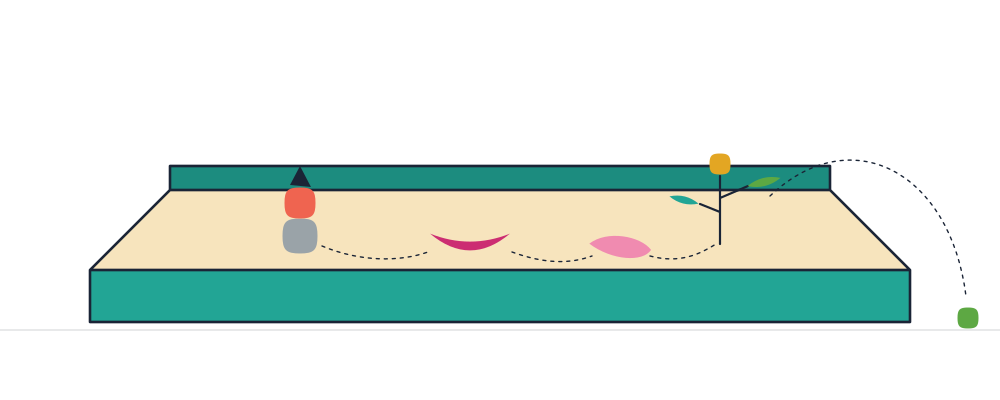
Over two days, teams choose a track, work through a real problem with clinicians and families in the room, and build and test a prototype using synthetic and publicly available data, then share their work with judges drawn from partner institutions.

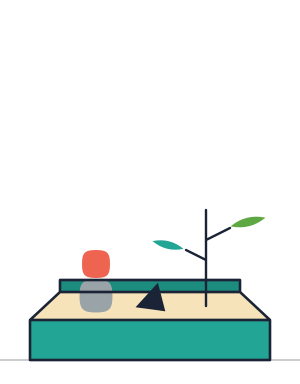
Paper blocks and shapes arranged inside a sandbox, a contained place to build.

[Schedule] Two days

[Times to come]

Saturday, January 23

[Day 1]
  1. 01Arrival
  2. 02Kickoff
  3. 03Team formation
  4. 04Building

Sunday, January 24

[Day 2]
  1. 01Building
  2. 02Demos
  3. 03Judging
  4. 04Closing

Our commitments

[Our commitments]

Teams will work only with synthetic and publicly available data, and no identifiable patient data from children will be used. Teens participate with guardian consent and are supported by chaperones throughout. Sponsors and partners will not receive participant data or contact information without consent, and any challenge proposed by a sponsor or partner is reviewed by our clinical and ethics leads before it is offered to teams.

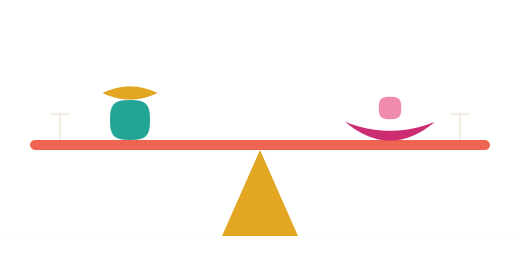
A seesaw balancing benefit against risk on the fulcrum of the child's interest.[Benefit][Risk]
[Fulcrum] The child’s interest

[Partners]

Partners and collaborators

Anchored by Weill Cornell Medicine and Mount Sinai, with additional partners including Boston Children's Hospital, Stanford Children's Health, and more. We are building a broader coalition across the groups below and welcome suggestions.

[Technology]AI labs and model developers, pediatric digital health companies, and evaluation and benchmarking groups
[Research and practice]Academic research and design labs, and professional societies
[Funding]Foundations, health plans, and venture investors and studios
[Community]Family, youth, and community organizations in New York City and beyond

[What we're looking for]

Partner with us

FundingSponsorship at any level to cover AI credits, meals, prizes, and participation support for families and teens.
Data and toolsSynthetic or public datasets, sandboxed model access, AI credits, and developer tools that teams can build with safely.
Institutional partnersChildren's hospitals, health systems, universities, and community organizations that want to shape challenges and bring their people into the room.
Mentors and judgesClinicians, engineers, designers, investors, and operators willing to advise teams over the two days or join the judging panel.
Venue and hostingSpace in New York City for about 100 participants, with room for families and teens.
Community reachSchools, family organizations, and youth groups that can help us recruit parents, caregivers, and teens.

Recognition is matched to contribution, and partners who join early help decide how the event takes shape.


Beyond the hackathon

[Beyond the hackathon]

The hackathon is the first step in a broader effort. PLAiGround is organizing a multi-institution network to develop, evaluate, and responsibly deploy AI across the full arc of childhood, and partners who join now can help shape that work through research collaborations and shared benchmarks for pediatric AI, pilots at partner sites, red-teaming and evaluation of tools used by children and families, and working groups on ethics, consent, and children's data.

[FAQ]

Questions

[Answer to come]

[Get involved] January 23–24, 2027 · New York City

Help build AI that grows up with children